
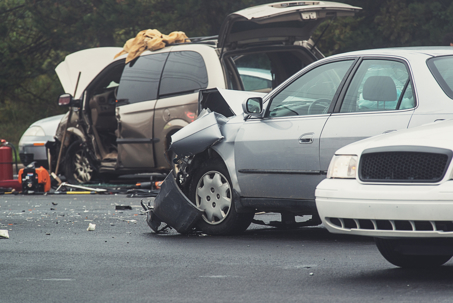
The holiday season in Dallas brings a predictable shift in traffic patterns. Highways become more congested, travel distances increase, and drivers often face unfamiliar routes or tighter schedules. These conditions significantly raise the risk of multi-vehicle highway crashes, especially during late November and December when travel peaks.
Understanding why these crashes occur requires examining how traffic behavior and environmental conditions change during this time of year.
Increased Traffic Volume and Reduced Reaction Time
One of the most significant factors during holiday travel is sheer traffic volume. More vehicles on major highways mean less space between cars and fewer opportunities to avoid sudden hazards.
When traffic density increases, reaction time becomes critical. Even minor delays in braking or lane changes can trigger chain-reaction collisions involving multiple vehicles.
These crashes often escalate quickly because one initial impact can affect several cars in sequence.
Weather and Seasonal Driving Conditions in North Texas
Late fall and early winter in Dallas can bring a mix of cooler temperatures, rain, and occasional fog. While not extreme compared to other regions, these conditions still impact driving safety.
Wet roads reduce traction and increase stopping distances. Light rain can also mix with oil buildup on highways, creating slick surfaces during the first minutes of rainfall.
Reduced visibility during early sunsets in winter months further delays driver responses, particularly during evening commutes and holiday travel windows.
Driver Fatigue and Long-Distance Travel
Holiday travel often involves long drives, especially for families traveling across Texas or neighboring states. Fatigue reduces alertness, slows reaction time, and impairs decision-making.
In multi-vehicle crashes, fatigue-related errors often include delayed braking, lane drifting, or failure to notice stopped or slowed traffic ahead.
Even short lapses in attention can trigger significant collisions in congested highway conditions.
Sudden Stops and Chain-Reaction Collisions
Multi-vehicle crashes frequently begin with a single unexpected stop or slowdown. On crowded highways, drivers may not have sufficient distance to react safely.
Once the first impact occurs, following vehicles may have even less time to respond, leading to a cascading effect. These chain-reaction crashes often involve multiple points of impact and complex liability questions.
Determining the sequence of events becomes a critical part of investigating these cases.
Construction Zones and Traffic Pattern Changes
During the holiday season, ongoing road construction or temporary traffic adjustments can create additional hazards. Lane shifts, narrowed shoulders, and unexpected merges require heightened attention from drivers.
Increased congestion in these areas can quickly escalate minor mistakes into multi-vehicle incidents.
Why These Cases Are Legally Complex
Multi-vehicle highway crashes are rarely straightforward. Multiple drivers, insurance companies, and potential contributing factors must all be evaluated.
Determining fault may involve reviewing vehicle positions, crash reconstruction data, witness statements, and electronic records, such as dashcam footage or traffic monitoring systems.
Because liability can be shared or disputed, these cases often require detailed investigation before any resolution is reached.
Dallas Car Accident Lawyers
Holiday travel conditions in Dallas combine heavy traffic, seasonal weather changes, fatigue, and construction-related hazards, significantly increasing the risk of multi-vehicle highway crashes.
When these collisions occur, understanding how and why they happened is essential for determining liability and evaluating injury claims.
Contact MR.LAW Accident and Injury Attorneys at (469) 689-0200 or through MR.LAW Accident and Injury Attorneys to learn more about your legal options after a serious highway crash.